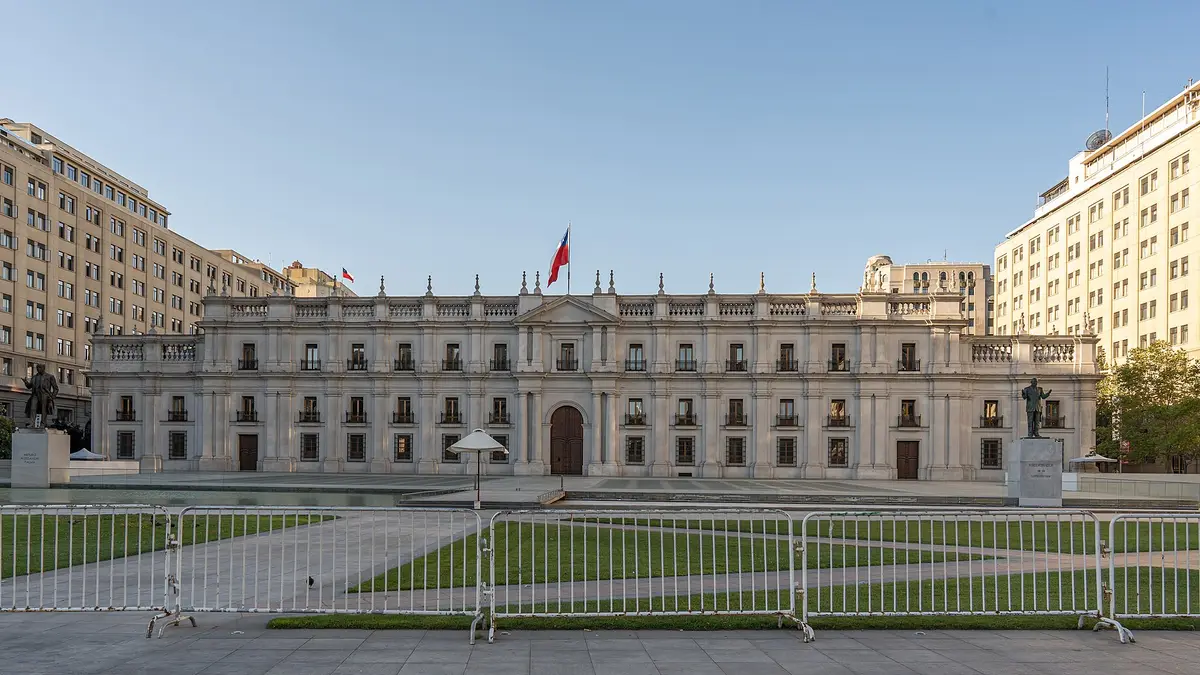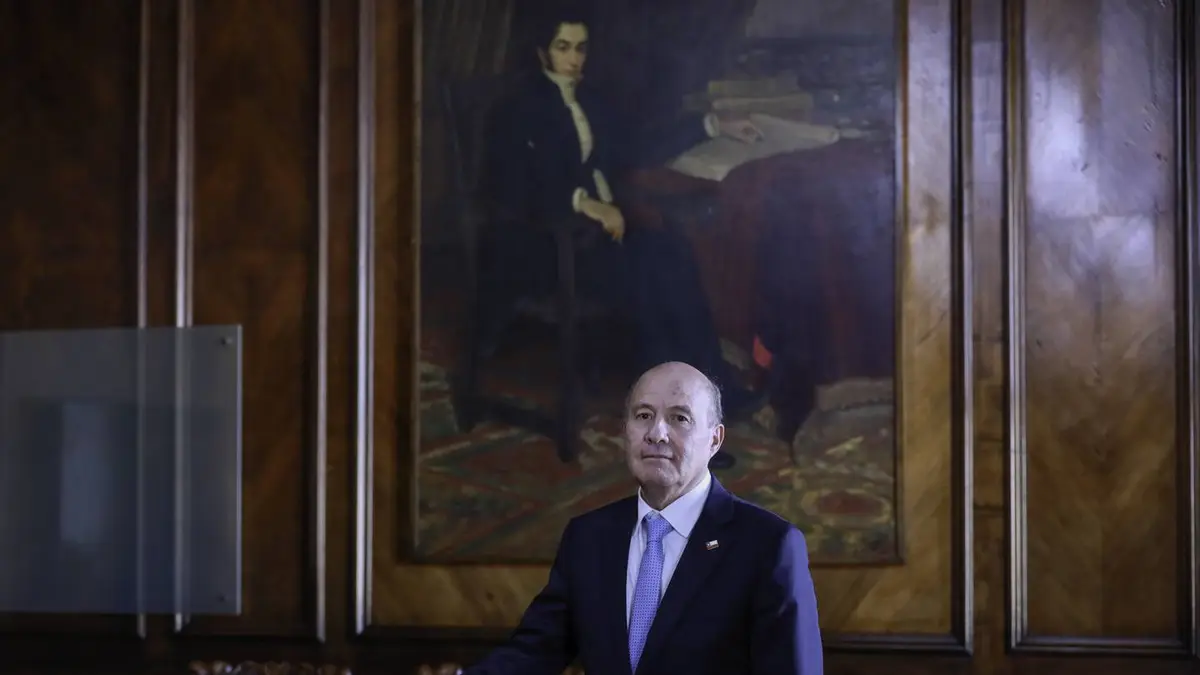
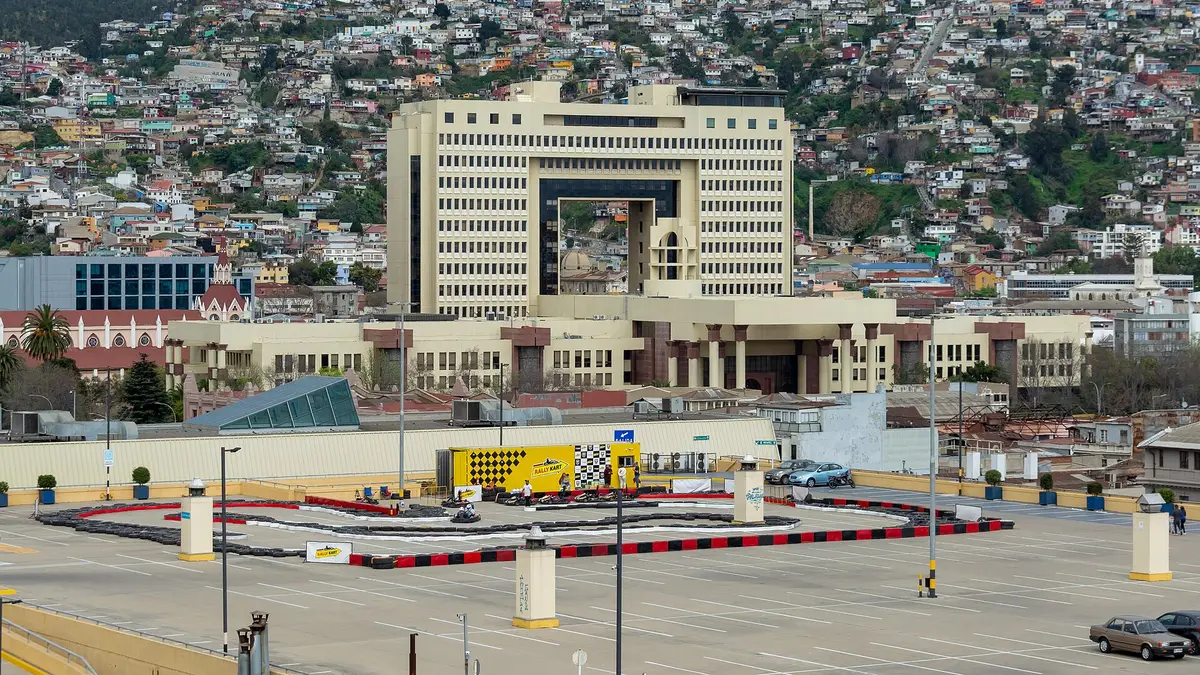
Congress passed the 2027 Budget Law on Wednesday, November 25, the first drawn up by José Antonio Kast's government, four days before the constitutional deadline. The Chamber of Deputies approved the joint committee's agreement shortly after 1 p.m. by 113 votes in favor, 9 against and 9 abstentions, and the Senate ratified it at 6:27 p.m. with 44 votes in favor and 4 against (Diario Financiero). Finance Minister Jorge Quiroz said spending will grow 1.7% in real terms rather than the 1.5% in the original bill, about CLP 140 billion above the initial fiscal framework.
View the data as a table
| Real spending growth | 1.7% |
| Bill's spending, CLP trillion | 91.18 |
| Extra spending, CLP million | +140,000 |
| Gross debt in September, % of GDP | 44.7% |
2027 Budget: how it was voted and what changed in committee
On Tuesday the joint committee settled differences on 10 budget items: allowances for former presidents, Interior Ministry programs (Senapred, Migration, Senda and municipal funds), memorial sites, Agriculture services (Indap, SAG, FIA), the Sence employment program, the Family Property Protection Subsidy, the National Sports Institute, Prodemu and the Municipal Security Law (Diario Financiero).
- Former presidents: their allowances move from Congress to the Presidency's ministry (Segpres), under the Comptroller's oversight.
- Jobs: Sence funds were restored and the Finance Ministry committed to topping up the Unified Employment Subsidy from April 1 if needed.
- Memorial sites: funding restored in exchange for greater accountability.
- Prodemu: a working group will reassign its staff after its closure, planned for early 2027.
- Funding: Quiroz said the changes will be paid for with reallocations or Treasury provisions.
View the data as a table
| seats | |
|---|---|
| In favor | 113 |
| Abstention | 9 |
| Against | 9 |
| Total | 131 |
View the data as a table
| seats | |
|---|---|
| In favor | 44 |
| Against | 4 |
| Total | 48 |
How much the state spends in the 2027 Budget
The bill submitted on September 30 projected central government spending of CLP 91.18 trillion, or 23.7% of GDP. With the committee's adjustment, spending ends up about CLP 140 billion above that figure. Effective revenue is estimated at CLP 84.42 trillion and the state will need CLP 24.67 trillion in financing, mainly through debt issuance of CLP 21.68 trillion (Budget Office (Dipres), Public Finance Report Q3 2026). We published the item-by-item breakdown when the bill reached the floor, in the 2027 Budget in the Chamber.
Interest payments rise 7.3% in real terms to CLP 5.09 trillion: the cost of growing debt. The budget assumes GDP growth of 3.3% in 2027 and copper at US$5.65 per pound (Budget Office (Dipres), Public Finance Report Q3 2026). Today the metal is at US$5.31 after 12 straight declines, as we reported in the record dollar. Quiroz argued that spending was calculated "with lower revenue" and a long-term copper price, not this year's highs (Emol).
| Assumption or figure | Budget | Current figure |
|---|---|---|
| Copper price 2027 (US$/lb) | 5.65 | 5.31 (Nov 25) |
| Copper price 2026 (US$/lb) | 6.15 | 6.14 average to date |
| GDP growth 2027 | 3.3% | Surveys cut 2026 to 0% |
| Gross debt (% of GDP) | 42.7% end-2026 | 44.7% in September |
Sources: Budget Office (Dipres), Public Finance Report Q3 2026; BioBioChile, with Diario Financiero and Dipres figures.
Want your company to reach people who follow the economy and public finances? Advertise in Pauta Financiera.
See advertising optionsPublic debt: why the dollar is pushing it to 45% of GDP
Gross debt reached 44.7% of GDP in September, a level not seen since the return to democracy, and economists consulted by Diario Financiero estimate it could exceed 45%, the level the fiscal rule considers prudent, before year-end (BioBioChile, with Diario Financiero and Dipres figures). The Budget Office projected 42.7% at the end of 2026. We anticipated this in Chile's public debt.
There are two reasons. About one third of the debt is in foreign currency, so when the dollar rises it is worth more in pesos: on September 30 it was at 970 pesos and the observed rate for November 26 is 1,044.08. Alejandro Weber of Universidad San Sebastián estimates that every 10-peso rise in the dollar adds 0.15 points of GDP to the debt. With that simple rule, the rise since September is worth about 1.1 points. The second reason is a smaller GDP: growth expectations for 2026 fell from 0.7% to zero (BioBioChile, with Diario Financiero and Dipres figures).
Opinions are divided. Scotiabank expects debt to end the year "somewhat" above 45%, temporarily; Bci Estudios warns that it could lead to a review of the outlook on Chile's credit rating; Gemines says it would be "bad, but not catastrophic," and OCEC-UDP sees it as "unlikely" to exceed the limit this year. Itaú points to mitigating factors, such as peso bond maturities that would be paid with Treasury assets. The Autonomous Fiscal Council requested more information from the Budget Office at its November 3 and 10 sessions (BioBioChile, with Diario Financiero and Dipres figures).
- September 30Bill submitted: spending +1.5%
- November 6Special Joint Committee approves 32 of 34 items
- November 9Chamber vote begins
- November 24Joint committee settles 10 items
- November 25Chamber and Senate pass the law
- November 2960-day constitutional deadline would have expired

For household budgets, the Budget sets concrete programs: the PGU pension, employment subsidies and public transport. And debt matters because its cost is paid with taxes and because a lower credit rating can make borrowing more expensive for everyone, from the state to mortgages. How housing rates are moving is in today's mortgage rates.
Frequently asked questions about the 2027 Budget
When was the 2027 Budget approved?
Congress passed it on November 25, 2026, when the Senate ratified the joint committee's agreement at 6:27 p.m. It must now be enacted and published.
How much does public spending grow in 2027?
1.7% in real terms, according to Minister Jorge Quiroz, above the 1.5% in the original bill.
What is Chile's public debt?
Central government gross debt reached 44.7% of GDP in September 2026, close to the 45% the fiscal rule considers prudent.
What would have happened if Congress had not passed it?
The Constitution allows 60 days from the bill's submission. If Congress does not pass it within that period, the bill submitted by the President takes effect.