Chile's Central Bank wants paying by bank transfer at a corner store or a shop to be as simple as swiping a card. Its governor, Rosanna Costa, announced at the ChilePay Conecta 2026 conference on Thursday, November 5, that the bank will soon publish guidelines to modernize the rules for low-value payments, which will go to public consultation, according to Diario Financiero. The industry already calls it the "Chilean Pix", after Brazil's instant payment system.
In the same speech she announced that the rules for stablecoins, cryptocurrencies pegged to the value of a currency such as the dollar, will be published for consultation in successive stages: first, the conditions for issuing them in Chile, and later other uses, including foreign-exchange ones.
View the data as a table
| Digital payments per person per year | 435 |
| Increase in number of payments | 15% |
| Transfers that are payments to merchants | 10% |
| Household spending paid by card | 77% |
What is the "Chilean Pix" the Central Bank is preparing
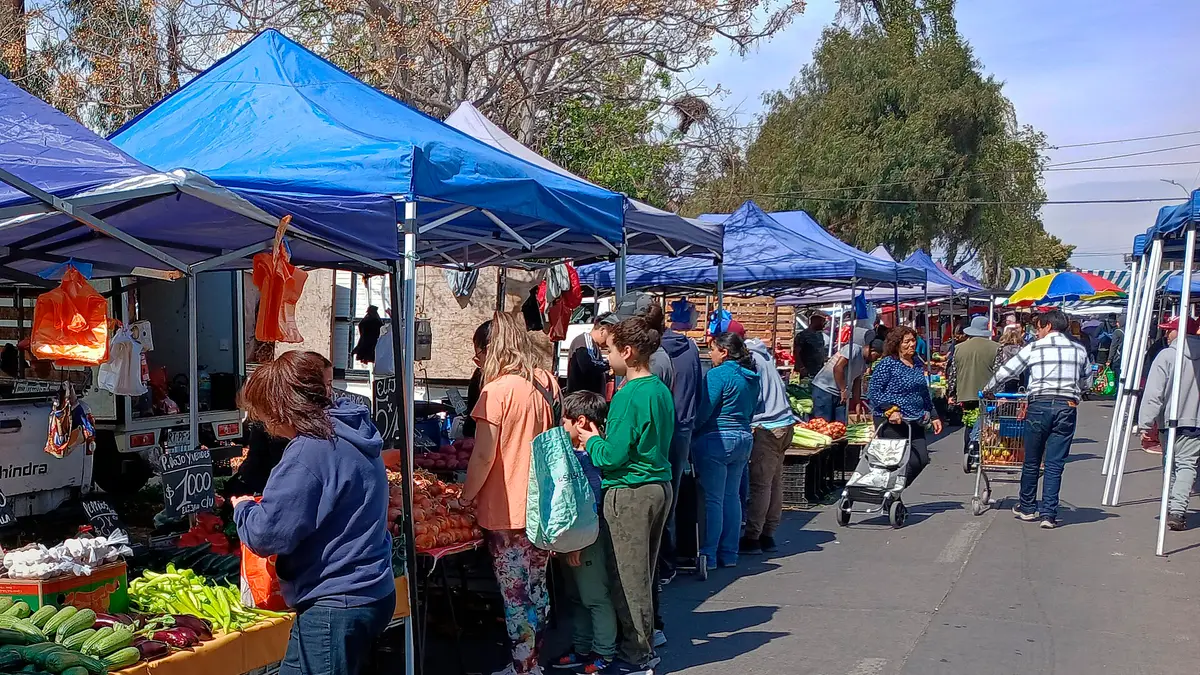
Chile has had instant transfers between accounts for years. The problem is that they are hardly used to pay merchants: only 10% of interbank transfers are payments to merchants, according to the Central Bank's 2026 Payment Systems Report, cited by Chócale. The rest are mostly person-to-person transfers. Costa said strengthening person-to-merchant instant payments is a priority, because that use "has advanced little".
The guidelines will cover the system's governance, access, interoperability and security, as well as technical aspects such as account identifiers, aliases and QR codes, according to DF. That is what made Pix popular in Brazil: paying with an alias (phone number, email or tax ID) or by scanning a QR code, without a card. Costa said the Central Bank should guide this stage, but implementation is up to the private sector.
Pix was launched by the Central Bank of Brazil in November 2020 and runs 24 hours a day, every day. Its difference from a traditional transfer is less the technology than the common rules: all banks and wallets use the same alias and QR format, so any customer can pay any merchant. That is what Chile's Central Bank seeks to organize with its interoperability guidelines. For merchants, an alternative to cards could mean lower costs to accept payments, although the Central Bank gave no estimates.
| Area | What the Central Bank announced | Next step |
|---|---|---|
| Instant payments | Guidelines on governance, access, interoperability, security, aliases and QR codes | Publication "soon" and public consultation |
| Stablecoins (stage 1) | Conditions for issuing them in Chile: issuers, reserves, redemption and responsibilities | Industry working groups in the coming weeks |
| Stablecoins (later stages) | Other uses, including foreign exchange | No date |
Source: Diario Financiero and Chócale, on Rosanna Costa's November 5, 2026 speech. The Central Bank gave no exact dates.
How Chileans pay today
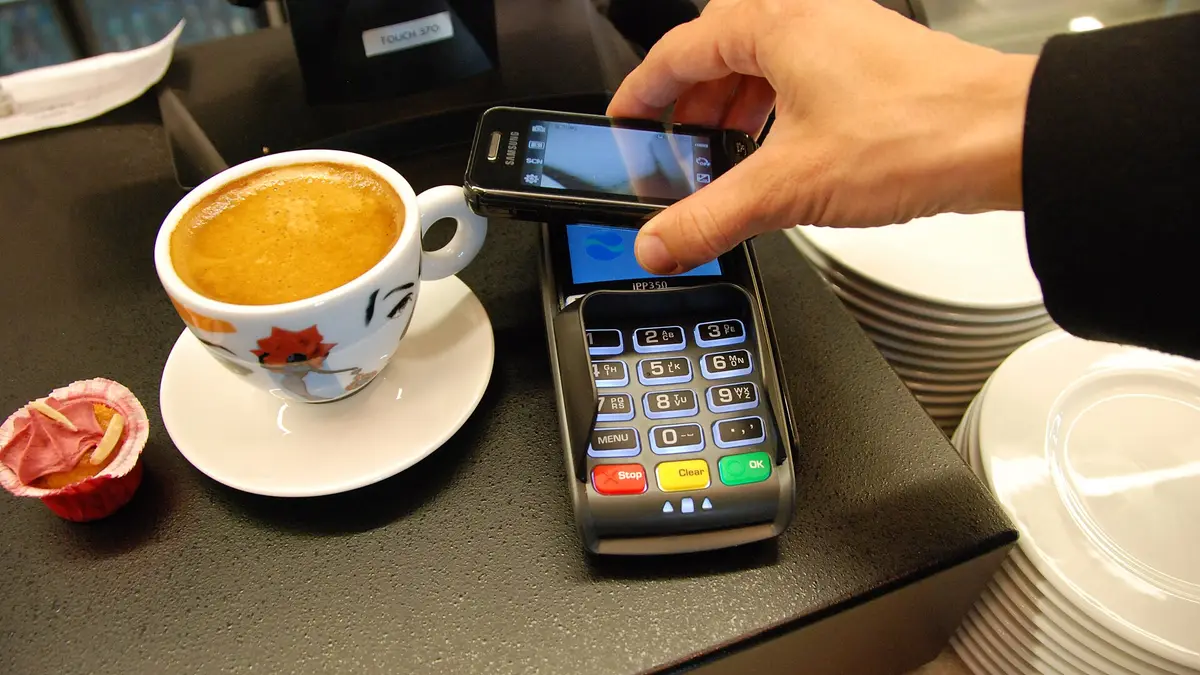
The Central Bank report, published on August 5, counted more than 7.7 billion digital payments in the twelve months to March 2026, about 435 per person aged over 15, 15% more than in the previous edition. The debit card remains the most used instrument, and prepaid cards more than doubled their transactions to 577 million (8% of the total). 77% of household spending is paid by card, according to Chócale.
Cash is in retreat: ATM withdrawals fell from 14.6% of GDP in 2019 to 6.1% in 2025. Even so, cash is still common in the regions, street markets, public transport and purchases under CLP 10,000, according to DF. If you send and receive transfers, our comparison of digital accounts and wallets shows what each one charges.
Does your fintech, bank or payments company want to reach readers who follow financial regulation? Advertise on Pauta Financiera.
See advertising optionsStablecoin regulation in Chile, in stages
The Fintech Law (Law 21,521 of 2023) gave the Central Bank powers to regulate the issuance and operation of stablecoins as a means of payment. Costa said the rules should cover issuers, reserves, redemption conditions and the responsibilities of each participant, to protect holders and limit risks if they reach significant scale, according to Chócale. In August, the Central Bank had said the first proposal would come out toward the end of 2026.
- Global market: stablecoin market capitalization was around US$300 billion in mid-2026, almost all pegged to the dollar, according to Costa's presentation.
- Real use: about 80% of stablecoin value transacted is crypto trading and transfers between platforms; their use for real-economy payments is "nascent".
- Chilean companies: almost four in five rule out accepting crypto and only one in 20 would accept stablecoins exclusively.
What the "Chilean Pix" changes for you
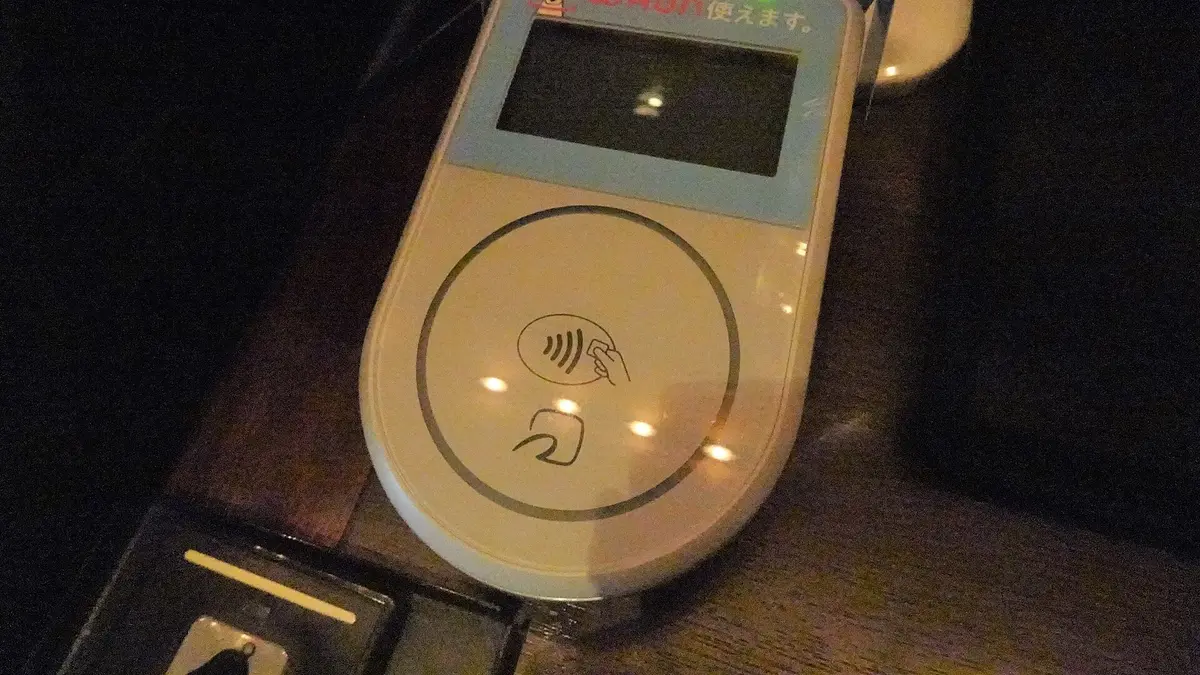
For now, nothing immediate: the guidelines have not been published yet and a public consultation will follow. If it moves forward, the idea is that you could pay a merchant by transfer using an alias or a QR code, with the money credited instantly, and that merchants would have an alternative to cards. Transfers from accounts such as the CuentaRUT have been free between banks since April 2026.
The agenda adds to two others moving in parallel: the Open Finance System, which the CMF postponed until July 2027, according to DF, and the new requirements for card operators, which we explain in the CMF deadlines for payment card operators.
- 2023Fintech LawGives the Central Bank powers over stablecoins
- Jun 2026CMF postpones open financeNew date: July 2027
- Aug 5, 2026Payment Systems Report435 digital payments per person per year
- Nov 5, 2026ChilePay ConectaCosta announces guidelines and staged stablecoin rules
- Coming weeksWorking groups and public consultation
- Jul 2027Open financeCMF
Frequently asked questions about the "Chilean Pix"
What is Pix?
It is the Central Bank of Brazil's instant payment system, which lets people pay and transfer with a key (phone, email or ID number) or a QR code, at any time.
When will the "Chilean Pix" start?
There is no date. The Central Bank will first publish the guidelines and put them out for public consultation; implementation will be up to the private sector.
What are stablecoins?
Crypto-assets that aim to keep a stable value pegged to a currency, usually the dollar, backed by the issuer's reserves.
Will stablecoins be issued in Chile?
That is the first stage of the regulation: defining the conditions under which they could be issued in Chile. Foreign-exchange uses will come later.