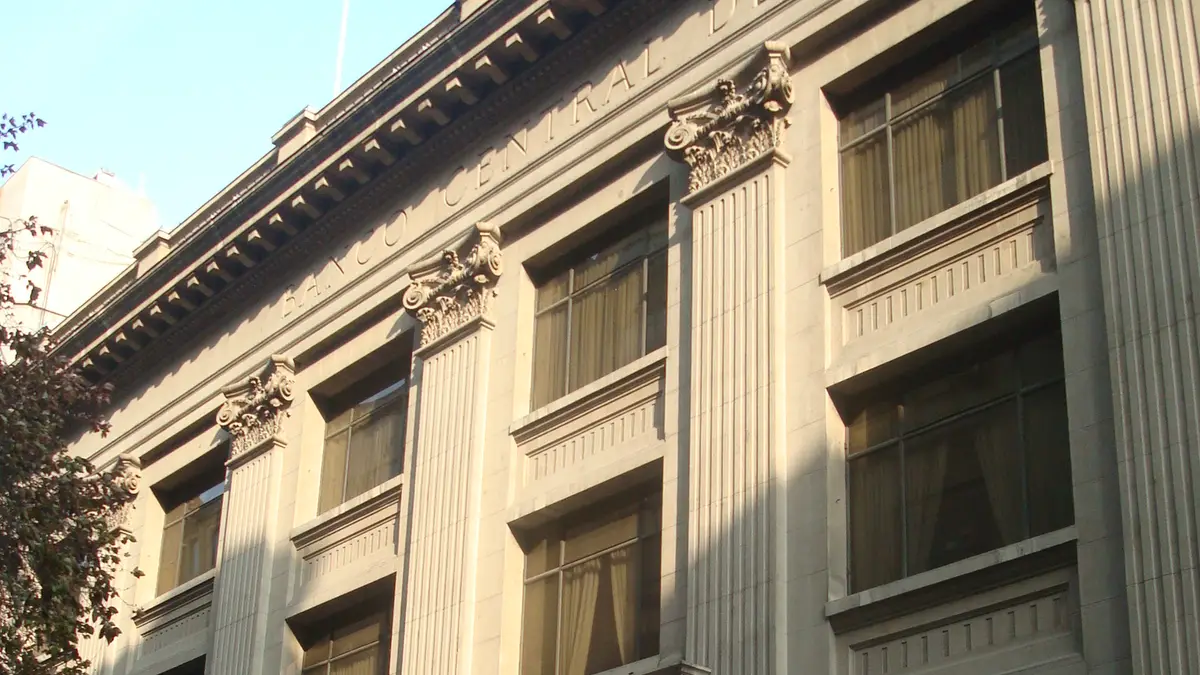
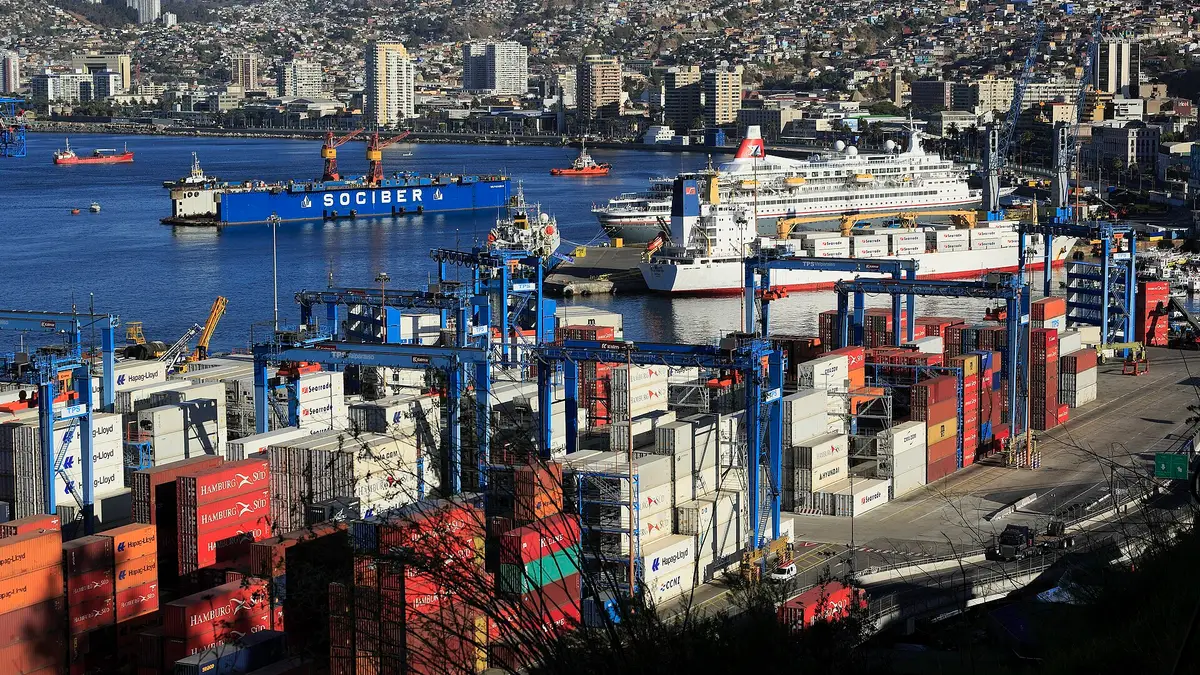
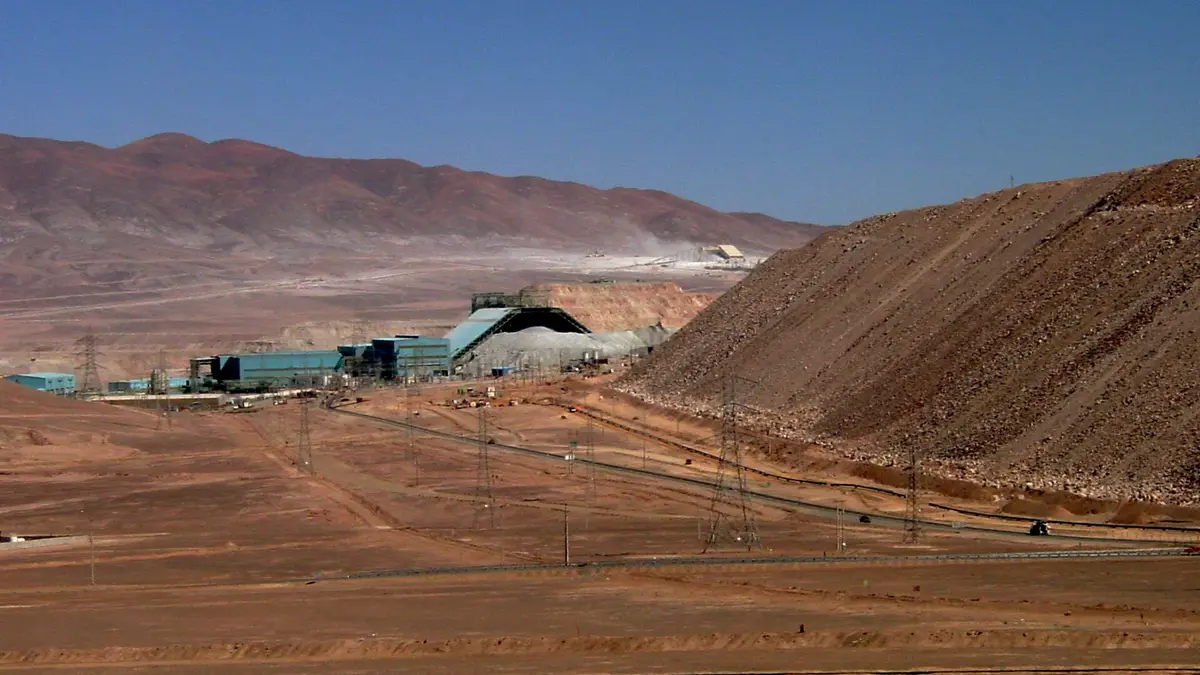
Chile's GDP fell 1.1% in the third quarter of 2026 from the same period of 2025, according to the National Accounts the Central Bank released on Wednesday, November 18. The figure was worse than the -0.8% anticipated by the Imacec monthly index and, measured against the previous quarter in seasonally adjusted terms, the drop was 1.8% (Diario Financiero). The Central Bank also revised previous quarters: the first came in at -0.4% (previously -0.3%) and the second at 0.0% (previously -0.2%), meaning the economy has gone three quarters without growth year on year (Diario Estrategia). The drop is explained by mining, down 14.7%, and investment, down 6.7%.
View the data as a table
| GDP, year on year | -1.1% |
| GDP vs. Q2 (seasonally adjusted) | -1.8% |
| Mining | -14.7% |
| Non-mining GDP | 1.0% |
Third-quarter GDP: what the Central Bank reported
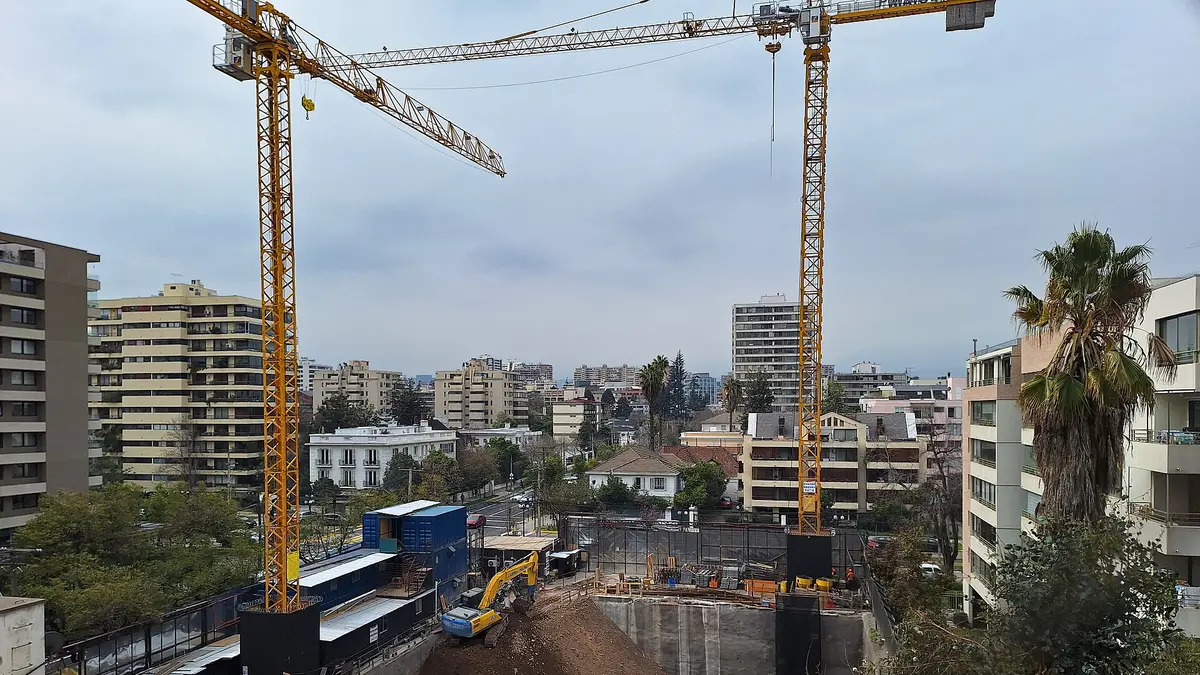
On the supply side, non-mining GDP grew 1.0%, with gains in agriculture and forestry, fishing, electricity and trade, while construction fell 5.0% (Diario Financiero). On the spending side, household consumption rose 0.7%, driven by non-durable goods such as food and clothing, and government consumption 2.1%, on higher health spending; fixed investment fell 6.7% due to machinery and equipment and, to a lesser extent, construction. Exports fell 0.6% and imports 0.4%, with a net zero effect on activity. There was also a calendar effect of +0.3 points, from two more business days than in 2025 (Diario Estrategia). We reviewed the background in the technical recession debate.
View the data as a table
| GDP | |
|---|---|
| Q1 2024 | 3.5% |
| Q2 2024 | 1.2% |
| Q3 2024 | 2.4% |
| Q4 2024 | 4.1% |
| Q1 2025 | 2.9% |
| Q2 2025 | 3.7% |
| Q3 2025 | 1.7% |
| Q4 2025 | 1.6% |
| Q1 2026 | -0.4% |
| Q2 2026 | 0.0% |
| Q3 2026 | -1.1% |
| Spending component | Year-on-year change Q3 2026 |
|---|---|
| Household consumption | +0.7% |
| Government consumption | +2.1% |
| Gross fixed capital formation (investment) | -6.7% |
| Total gross capital formation | -7.4% |
| Exports of goods and services | -0.6% |
| Imports of goods and services | -0.4% |
Source: Central Bank, National Accounts for the third quarter of 2026, via Diario Financiero and Diario Estrategia. National savings were 20.6% of GDP and the current account deficit 2.4%.
What GDP means for the policy rate and interest rates
The figure leaves the Central Bank in an awkward position. The monetary policy rate (TPM) has been at 4.5% since December 2025 and annual inflation reached 4.5% in October, as we detailed in October's CPI: a real rate close to zero. At its last meeting, according to the October monetary policy meeting minutes, all five board members considered raising the rate to 4.75% because of higher oil prices, although they held it unanimously. A shrinking economy pushes the other way, because it opens slack that contains prices. The next meeting is on December 15, together with the Monetary Policy Report.
Before the GDP release, the market was already betting the rate would not move: the Financial Traders Survey in early November expected the policy rate at 4.5% for 24 months, as we reported in the traders survey. The problem is that rates abroad are rising: the Federal Reserve hiked in September and its minutes point to another increase in December. If the Central Bank of Chile holds while the Fed hikes, the rate gap in Chile's favor narrows, and that usually puts pressure on the peso. Today the dollar closed at CLP 1,005.6 (CNN Chile), as we explain in today's dollar.
View the data as a table
| Chile policy rate | Fed (upper bound) | |
|---|---|---|
| 2019 | 1.75% | 1.75% |
| 2020 | 0.50% | 0.25% |
| 2021 | 4.00% | 0.25% |
| 2022 | 11.25% | 4.50% |
| 2023 | 8.25% | 5.50% |
| 2024 | 5.00% | 4.50% |
| 2025 | 4.50% | 3.75% |
| Nov 2026 | 4.50% | 4.00% |
| Year | Chile policy rate | Fed (upper bound) | Gap |
|---|---|---|---|
| 2019 | 1.75% | 1.75% | 0.00 pp |
| 2020 | 0.50% | 0.25% | 0.25 pp |
| 2021 | 4.00% | 0.25% | 3.75 pp |
| 2022 | 11.25% | 4.50% | 6.75 pp |
| 2023 | 8.25% | 5.50% | 2.75 pp |
| 2024 | 5.00% | 4.50% | 0.50 pp |
| 2025 | 4.50% | 3.75% | 0.75 pp |
| nov 2026 | 4.50% | 4.00% | 0.50 pp |
Source: Central Bank (policy rate series via mindicador.cl); Federal Reserve, federal funds target range. Gap in percentage points (Pauta Financiera calculation). 2026: rates in force as of November 18.
Does your brand want to reach readers who follow the economy and markets? See Pauta Financiera's formats.
See advertising optionsGDP and your wallet: loans, jobs and savings
- Loans. With the policy rate at 4.5% and a board that discussed raising it, there are no signs of a rate cut in the short term. Consumer and mortgage loan rates depend on the policy rate and on long-term rates, which also move with US rates.
- Jobs. National unemployment was 9.8% in July-September, according to the INE statistics office. Investment falling 6.7% usually anticipates less hiring in construction and related services.
- Savings. If the policy rate holds, time deposits would keep paying rates similar to today's, but with 4.5% inflation the real gain is low; we calculate it in how much a time deposit yields.
- Stocks. The fall in copper weighs on shares linked to mining and construction; exporters benefit in part from a higher dollar.
- Oct 27Meeting: rate held at 4.5%The board considered raising it to 4.75%.
- Nov 18Q3 GDP: -1.1%Mining -14.7%, investment -6.7%.
- Dec 8-9Fed meetingMarket expects a 0.25-point hike.
- Dec 15December meeting and Monetary Policy ReportNew growth and inflation forecasts.
Frequently asked questions about third-quarter GDP
How much did GDP fall in the third quarter of 2026?
1.1% from the same quarter of 2025 and 1.8% from the second quarter, seasonally adjusted (Diario Financiero).
Why did the economy shrink?
Because of mining (-14.7%), led by copper extraction, and fixed investment (-6.7%). Non-mining GDP grew 1.0%.
Is Chile in recession?
The economy has gone three quarters without year-on-year growth. The technical recession definition (two consecutive quarterly declines, seasonally adjusted) is not official; the finance minister said on November 11, according to Bloomberg as cited by Emol, that "it can technically be called a recession."
Will the policy rate be cut?
Before the release, traders expected it to stay at 4.5% for two years, and the board had considered raising it in October. The decision will be announced on December 15. This article is informational and is not financial advice.