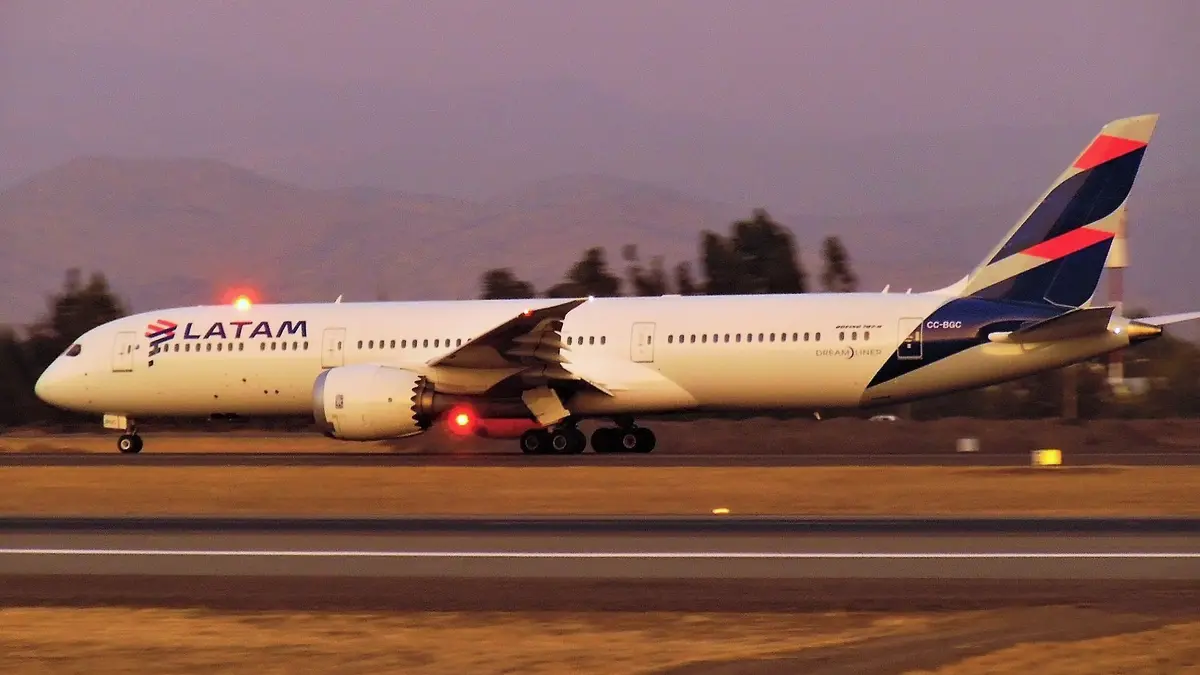
LATAM Airlines was the top-gaining stock in the IPSA on Monday, November 9 (+3.2%), according to Diario Financiero, and is up about 17% since October 30, in the same period in which Brent crude fell almost 20%, according to Diario Financiero. The reason is simple: fuel is an airline's biggest cost. In the third quarter of 2026, LATAM spent US$1,570 million on jet fuel, 60.9% more than a year earlier, according to its LATAM Airlines Group, third-quarter 2026 results (Form 6-K) filed with the SEC. The market's question is how much of the drop in crude will actually reach its earnings.
View the data as a table
| Operating revenue | US$4,567 |
| Fuel expense | US$1,570 |
| Attributable net income | US$441 |
| Adjusted operating margin | 12.5% |
LATAM and oil: how much fuel weighs
Between July and September the airline paid an average of US$3.98 per gallon (including hedges), 52.1% more than the US$2.61 of the same quarter of 2025, and consumed 395 million gallons (+5.8%). The higher price meant an impact of about US$520 million, of which it passed roughly 80% on to fares. Even so, its adjusted operating margin fell from 18.1% to 12.5%. Out of adjusted operating expenses of US$3,995 million, fuel accounted for about 39%, our own calculation with figures from the LATAM Airlines Group, third-quarter 2026 results (Form 6-K).
| Indicator | 3Q 2026 | YoY change | Jan-Sep 2026 | YoY change |
|---|---|---|---|---|
| Operating revenue | US$4,567 million | +18.4% | US$12,901 million | +22.3% |
| Adjusted operating expenses | US$3,995 million | +26.5% | US$11,279 million | +27.4% |
| Fuel | US$1,570 million | +60.9% | US$4,319 million | +52.3% |
| Gallons consumed | 395 million | +5.8% | 1,149 million | +7.6% |
| Attributable net income | US$441 million | +16.3% | US$1,220 million (adjusted) | +7.2% |
| Passengers | 23.5 million | +2.7% | 67.5 million | +4.7% |
Source: LATAM Airlines Group, third-quarter 2026 results (Form 6-K), published November 3, 2026.
How much of the oil drop will reach LATAM's earnings
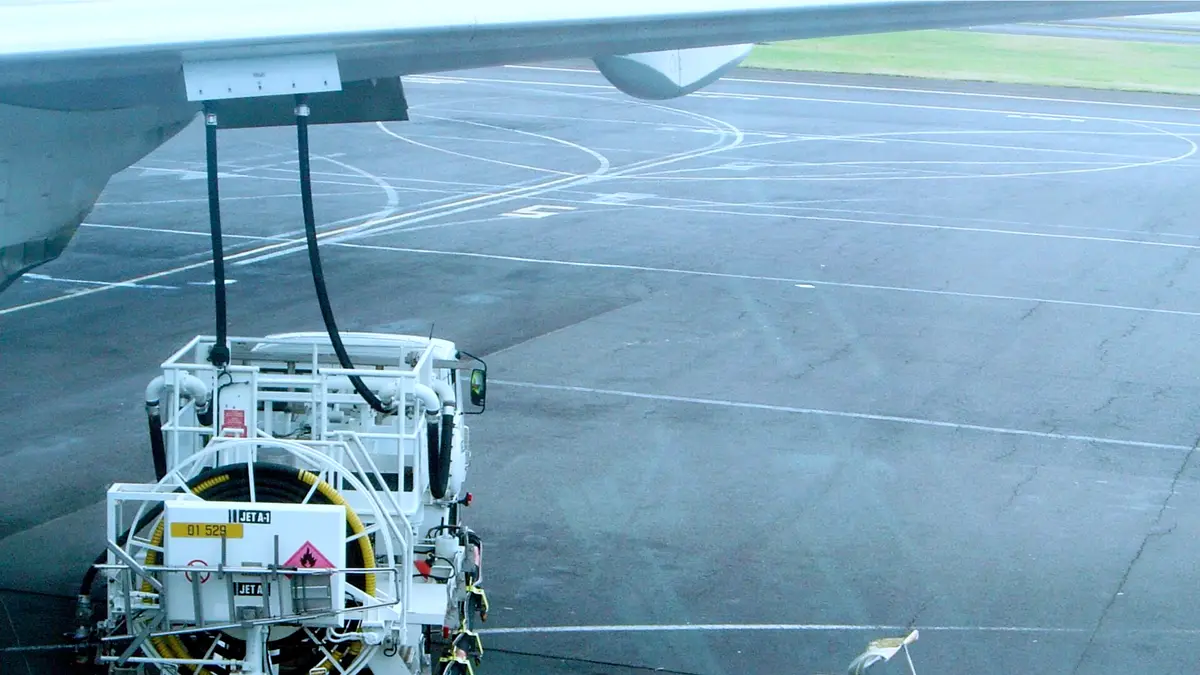
There are three reasons for caution. The first is hedging: as of October 30 LATAM had hedged only 27% of its estimated fourth-quarter consumption, 13% of the first quarter of 2027, 7% of the second and none of the third, using collar structures. That means it captures almost all of a drop in crude, but it also bore almost all of the increases. The second is that its 2026 guidance, updated on November 3, assumes jet fuel at US$180 a barrel in the fourth quarter and cut the expected adjusted operating margin to 10.5%-11.5%, from 12%-13%; the year's original guidance assumed US$90.
The third reason is fares. Bloomberg Intelligence projects that LATAM will recover through prices 60% of the higher fourth-quarter cost, compared with 80% in the third, and Rodrigo Godoy of Credicorp Capital told Diario Financiero that the financial position of its competitors in the region does not suggest quick fare cuts. Guillermo Araya of Renta 4 cited the sensitivity the company itself reported in September: a US$5 per barrel drop cuts its costs by US$123.9 million a year, against a US$12.5 million loss on hedges. It is a sensitivity, not a savings forecast.
Does your brand want to reach investors who follow the Chilean stock market? Advertise on Pauta Financiera.
See advertising optionsWhat analysts say about LATAM stock
Horacio Herrera of Mbi called a sustained drop in fuel "a significant catalyst" and keeps a CLP 30 price target with an overweight rating; Bci Corredores has a CLP 32 target for 2027, also overweight, according to Diario Financiero. Jorge Tolosa of Vector Capital warned that price targets have not yet changed after the crude plunge. Cargo, which brings in about 11% of revenue, would be the first business to pass the drop on to prices, according to Credicorp. To follow the market day by day, see our summary of today's dollar and IPSA.
The context also matters for consumers: cheaper crude eases pressure on the dollar and on fuel in Chile. We already reported how oil plunged after the US midterm elections in this article. If you want to invest in Chilean stocks such as LATAM, our guide to investing on the Santiago Stock Exchange explains how to open a brokerage account and what it costs.
This information is journalistic and is not a recommendation to buy or sell shares.
LATAM's nine months in numbers
Between January and September 2026, LATAM carried 67.5 million passengers (+4.7%) and increased its capacity, measured in available seat-kilometers, by 8.9%. Revenue grew 22.3% to US$12,901 million, but fuel spending rose faster: 52.3%, to US$4,319 million, with 1,149 million gallons consumed (+7.6%). Adjusted net income attributable to shareholders reached US$1,220 million, 7.2% more than in the same period of 2025, and the operating margin 12.5%. In other words, the company keeps earning more, but each dollar of sales leaves it less than before because of fuel costs.
An important nuance when reading the oil drop: LATAM does not buy crude but jet fuel, a refined product that usually costs more than a barrel of Brent and has its own price. That is why the US$180 per barrel assumption in its fourth-quarter guidance is not directly comparable with Monday's US$92.7 Brent. What matters is the direction: if jet fuel also falls, the fourth-quarter cost could come in below what the company assumed on November 3. That effect will be known with the annual results in early 2027.
Frequently asked questions about LATAM and oil
Why is LATAM stock rising?
Because oil has fallen about 20% since October 30 and fuel is its main cost: in the third quarter it was US$1,570 million.
How much did LATAM earn in the third quarter of 2026?
US$441 million in attributable net income, 16.3% more than a year earlier, on revenue of US$4,567 million.
What share of its fuel has LATAM hedged?
27% of estimated fourth-quarter 2026 consumption and 13% of the first quarter of 2027, as of October 30.